
Top 10 Things My Kids Taught Me About Medicine
Tuesday, May 19, 2026 4:00 PM to 5:00 PM · 1 hr. (America/New_York)
A706 - A707: Level A
IGNITE! - SAEM
Pediatrics
Information
Summary
As medical school best friends and now two academic Emergency Medicine doctors with 15 years each of medical education, training and practice each, we've learned a lot together. Yes, of course the text books, exams, boards, patients and endless hours of training have been foundational. Yet, some of the most practical, enduring lessons we have learned in medicine did not come from requisite training, journal articles, or grand rounds—they came from our kids. Parenting has been a remarkably effective teacher, shaping how we practice clinically, how we teach learners, and how we care for ourselves. This lecture uses parenting as a fun, relatable, exhausting and powerful lens to explore clinical excellence, medical education, and physician wellness through an engaging Top 10 format.
Drawing on real-life stories from raising four children under the age of four, this session translates everyday parenting experiences into concrete, memorable lessons for emergency medicine practice. Several tips focus on common pediatric complaints we all encounter, such as diaper rash, fever, and medication dosing. By highlighting distinctions like infant versus children’s acetaminophen, we emphasize how small pieces of clear, simple information can meaningfully improve patient safety and caregiver confidence. We also explore practical approaches to pediatric sedation in community settings where pediatric subspecialty resources may be limited, focusing on safety, preparation, teamwork, and communication under pressure.
Beyond bedside care, parenting has profoundly influenced our approach to medical education. Teaching children to walk, read, and navigate the world closely mirrors teaching students and residents to develop clinical judgment. Lessons include meeting learners where they are developmentally, normalizing mistakes as an essential part of growth, and recognizing how stress and unpredictability impair learning. One key principle—avoiding saying “no” reflexively—encourages curiosity and engagement while still maintaining appropriate boundaries and safety. Other lessons emphasize the importance of never stopping asking questions, working as a team, and focusing on victories rather than exclusively on shortcomings. Together, these ideas translate into actionable approaches to bedside teaching, feedback, and mentorship that foster psychological safety and durable learning.
Lastly, this lecture also addresses physician wellness, an area where parenting consistently teaches humility and reminds us daily that perfection is neither attainable nor necessary. It reinforces the importance of self-compassion, knowing when to ask for help, and taking the long view when progress feels slow or setbacks occur. Focusing on small victories, embracing teamwork, and accepting uncertainty are essential not only in raising children but also in sustaining a meaningful and resilient career in emergency medicine.
By reframing vulnerability, playfulness, imperfection, and humility as strengths rather than liabilities, this session encourages a healthier and more humane approach to medical practice. Designed to be engaging, reflective, and highly practical, this lecture offers clear take-home tips that participants can immediately apply in their clinical work, their teaching roles, and their personal well-being—reminding us that some of the most impactful lessons in medicine are learned not only in the emergency department, but at home, and we are proud to bring that to work.
CPE
0
CME
1
Disclosures
Access the following link to view disclosures of session presenters, presenting authors, organizers, moderators, and planners:
Presenting Author

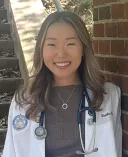
Lindsey DeGeorge
MDGeorgetown University School of Medicine